His mother, Diane, lived 20 minutes away. She visited often, but never while a sitter was working—at least not that we knew.
“What did she do?” Ben asked.
“She came every afternoon.”
“That’s impossible,” I said. “The cameras would have recorded her.”
“She knew where they were.”
Carla explained that Diane entered through the side door, stayed close to the blind spots near the laundry room, and asked each nanny to join her in the guest bedroom, the only room without a camera.
We had never installed one there because no one used it.
“What happened in that room?” I asked.
“She showed me a folder.”
Carla’s voice softened.
“It had medical records, therapy notes, photographs, and recordings of you.”
“Recordings of me doing what?”
“Crying. Yelling. Saying you couldn’t handle being a mother.”
My chest tightened.
Five years earlier, after Sophie’s birth, I had suffered from severe postpartum depression. I had attended therapy and spent a short period receiving inpatient treatment.
I recovered.
Ben and I had never hidden it, but we did not discuss the worst days with strangers.
“Diane told me you had stopped taking your medication,” Carla continued.
“That wasn’t true.”
“I know that now.”
“Why did you believe her?”
“Because she had documents. She knew names, dates, and details. She said you sometimes appeared completely normal before becoming unpredictable.”
Ben leaned forward.
“What did she ask you to do?”
“Watch Sophie constantly. Record any unusual behavior. Call her if Emma came home early.”
I stared at Carla.
“Did you record me?”
“Only once.”
Her eyes filled with shame.
“You came home laughing on the phone. Diane had told me sudden cheerfulness could be a warning sign. I took a video.”
I remembered that afternoon. My sister had called to tell me she was engaged.
“What made you quit?” I asked.
Carla looked down.
“On my fourth day, Diane said you had once tried to hurt Sophie.”
Ben’s expression hardened.
“That never happened.”
“I know.”
“What proof did she have?” he asked.
“She showed me a photograph that was supposed to prove it. You were holding Sophie near the staircase, and your hand was raised.”
I remembered the picture.
Sophie had been two.
She had slipped while climbing the stairs, and I caught her by the back of her dress.
Diane had taken the photograph from the hallway.
“She cropped it,” I said.
Carla nodded.
“Later, I found the original on your digital picture frame. I realized she had manipulated it.”
“Did you confront her?”
“Yes.”
“What did she say?”
“That I was too naive to protect a child.”
Carla’s voice shook.
“Then she told me the agency would ruin my reputation if I accused a respected family member without proof.”
That evening, Carla called the agency.
The director urged her to resign quietly and later offered a settlement.
“Why did you accept it?” Ben asked.
“I had rent, student loans, and no job. They promised the agreement only prevented me from naming your family publicly.”
“But it said not to contact law enforcement,” I replied.
“I know.”
She looked miserable.
“I should have refused.”
“What about the other nannies?”
“I spoke to two of them before the agency warned us not to communicate. Diane approached all of us.”
The pattern suddenly made sense.
Every sitter lasted a few days because Diane needed time to frighten them. The cameras showed nothing because she knew how to avoid them. Sophie never mentioned the visits because she believed seeing Grandma was normal.
When we returned home, Ben called his mother.
“Can you come over tomorrow?” he asked.
“Of course. Is something wrong?”
“No. We need help with Sophie.”
The ease in her voice made my skin crawl.
“I knew those sitters weren’t reliable,” Diane said. “I told you the agency was careless.”
After the call, Ben looked at me.
“She sounds like she believes she did nothing wrong.”
“Maybe she does.”
That was what frightened me most.
We contacted two other former babysitters.
One refused to speak.
Another, named Julia, agreed after Carla assured her we knew the truth.
Julia’s story matched Carla’s almost exactly.
Diane showed her old medical records, distorted photographs, and audio clips from the months after Sophie was born.
“Where did she get the recordings?” I asked.
“She said Ben gave them to her.”
Ben turned pale.
“I never did.”
Then he remembered an old tablet we had used as a baby monitor. Diane borrowed it when Sophie was an infant and returned it weeks later.
The recordings must have remained stored on it.
“Why did the agency send the checks?” Ben asked.
Julia laughed bitterly.
“To protect their rating.”
The agency had received complaints from other placements, though not all involved Diane.
Instead of investigating anything that could lead to public accusations, it quietly paid employees to leave.
“They told me families pay for discretion,” Julia said. “They said nannies who caused scandals never worked again.”
“So everyone stayed silent,” I said.
“Most of us were scared.”
By the time Diane arrived the next afternoon, we had a plan.
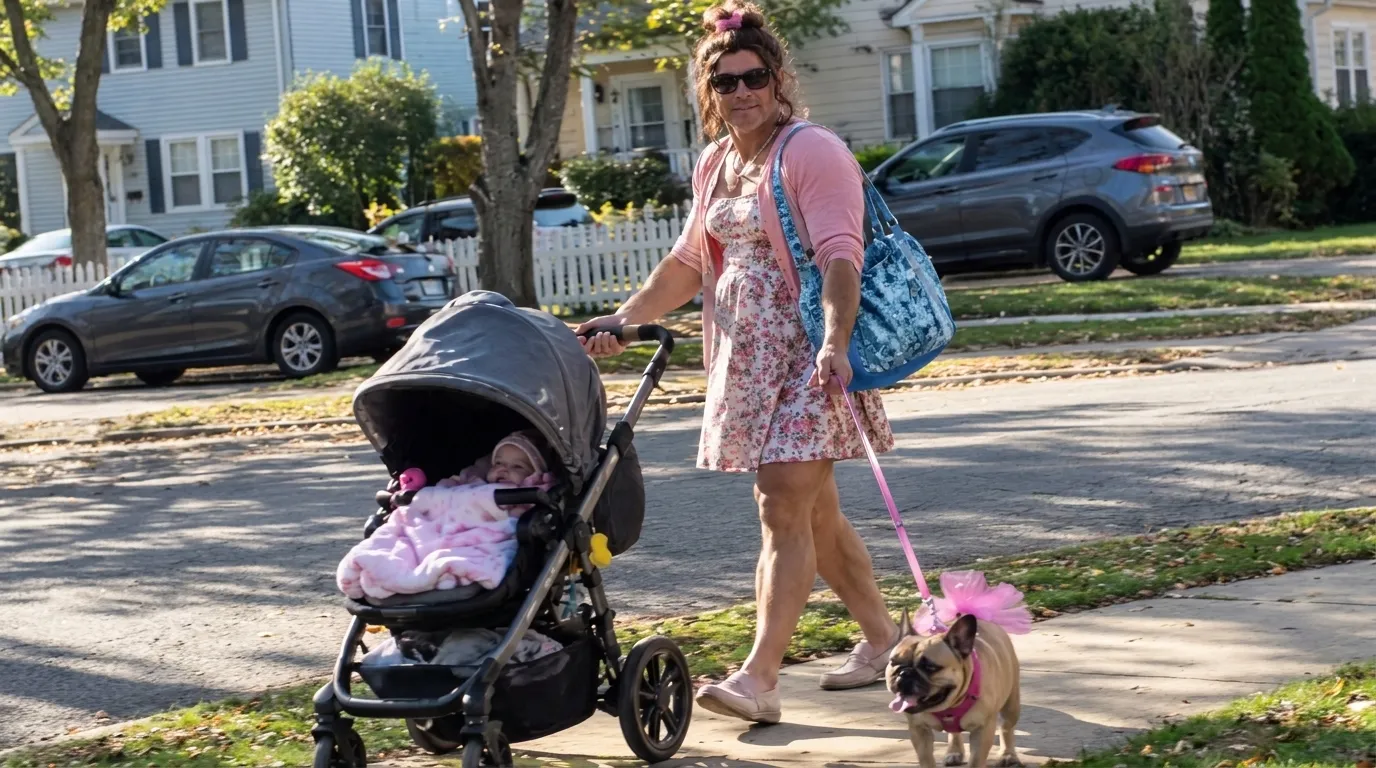
Ben wore the wig and glasses he had used for the agency interview. From a distance, he looked surprisingly convincing as Megan.
I hid my car several blocks away and waited in the guest bedroom closet with my phone recording.
Sophie was spending the day with my sister.
Diane entered through the side door without knocking.
She called softly, “Hello?”
Ben stepped into the hallway.
“You must be Megan.”
Diane smiled.
“I’m Sophie’s grandmother.”
She did not recognize him.
The wig, loose cardigan, and oversized glasses changed more than his appearance. Ben had spent a week practicing a softer voice and careful posture.
Diane glanced toward the living room camera.
“Could we speak somewhere private?”
Ben followed her into the guest bedroom.
I watched through a narrow opening in the closet door.
Diane removed a thick folder from her handbag.
“I imagine the agency told you this was a simple job.”
“They did.”
“They don’t know the whole situation.”
She opened the folder.
“My daughter-in-law loves Sophie very much.”
Ben nodded.
“But love isn’t always enough.”
Diane showed him my therapy records.
“Emma has a serious history.”
“Is she dangerous?”
Diane hesitated just long enough to seem reluctant.
“She can be.”
“Has she ever hurt Sophie?”
“Not in a way anyone could prove.”
Diane slid the cropped staircase photograph across the bed.
Ben studied it.
“What am I looking at?”
“Emma losing control.”
“Was anyone else there?”
“I took the photograph.”
“You watched her hurt Sophie and didn’t intervene?”
Diane stiffened.
“It happened quickly.”
Ben picked up another page.
“This says Emma completed treatment and was discharged five years ago.”
“People relapse.”
“Has she?”
“Not officially.”
Ben looked at her.
“Then why are you telling me she is dangerous?”
Diane lowered her voice.
“Because every nanny before you became careless. They liked Emma. They believed her.”
“What happened to them?”
“They quit.”
“Did you make them quit?”
“I encouraged them to protect themselves.”
“And the agency paid them?”
For the first time, Diane looked unsettled.
“What do you know about that?”
Ben removed his glasses.
Then he pulled off the wig.
His mother stared at him.
The color drained from her face.
“Ben?”